Understanding the Chapter 13 Bankruptcy Process
Aug 27, 2026
Consultation
The first step is to meet with an experienced bankruptcy attorney for a debt relief consultation. During the consultation, the attorney will ask questions about your income, debts, assets, expenses, and financial circumstances to determine whether a Chapter 13 bankruptcy may be a good option for you. Many people benefit from Chapter 13 because they need time to catch up on missed mortgage or vehicle payments, owe taxes or child support that must be paid, or earn too much to qualify for Chapter 7. No matter what your situation is, the attorney will explain how a Chapter 13 bankruptcy could work for you and provide an estimated monthly payment. They will walk you through the bankruptcy process, explain the credit counseling requirements, provide a list of documents needed to prepare your case, and answer any questions you have.
Preparing & Filing
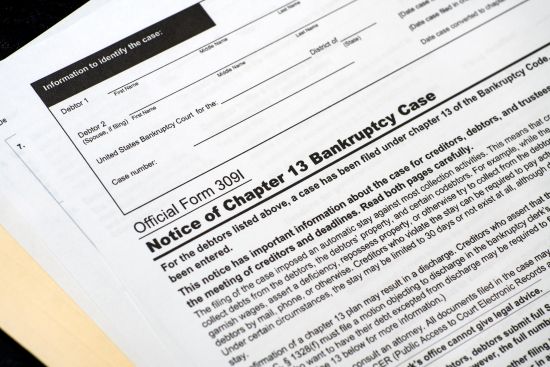
Once you decide that Chapter 13 bankruptcy is the best debt relief option for your situation, you will meet with your attorney to gather the information and documents needed to prepare your case. After you complete your credit counseling course and provide the required documents, your attorney can finish preparing your case and your Chapter 13 repayment plan. Once your case is prepared, you will review the paperwork with your attorney in detail and sign the bankruptcy documents. The day you sign your bankruptcy paperwork is the day your case is filed with the bankruptcy court.
Automatic Stay
Once your bankruptcy case is officially filed, the automatic stay goes into effect. The automatic stay is a powerful protection provided by the U.S. Bankruptcy Code that stops creditors from continuing collection efforts against you. It can stop collection calls and letters, wage garnishments, lawsuits, vehicle repossessions, utility shutoffs, and foreclosure proceedings. As long as you stay current on your required payments, the protection of the automatic stay remains in effect for the entire length of your Chapter 13 bankruptcy case. This gives you the opportunity to take control of your financial situation, keep your property, and address your debts through your Chapter 13 repayment plan.
Chapter 13 Repayment Plan
The Chapter 13 repayment plan outlines how you will repay your debts over a period of three to five years. The length of the plan and the amount of your monthly payment are based on factors such as your income, expenses, assets, and the types of debts you owe. The plan can help you catch up on missed mortgage or vehicle payments while allowing you to keep your property. It can also provide a way to repay tax debts and child support arrears that must be paid through the plan. Unsecured debts, such as credit cards, medical bills, and personal loans, often receive little or no payment through the plan, and any remaining eligible amount may be discharged after you successfully complete your case. To learn more, read our blog, “Chapter 13 Repayment Plan Explained.”
341 Meeting of Creditors
Approximately 30 days after filing, you will attend your hearing, known as a 341 Meeting of Creditors. The hearing is held by the Chapter 13 Trustee, who oversees your bankruptcy case. During the hearing, you will be placed under oath and asked questions about the information in your bankruptcy paperwork, including your income, expenses, assets, debts, and proposed repayment plan. Your appearance is required, and your attorney will be present with you. Creditors are notified of the hearing, but they rarely attend. Most 341 Meetings of Creditors are brief and take only about 15 minutes. After the hearing, the Trustee may request additional documents or changes to your repayment plan. If that happens, your attorney will address the Trustee’s requests and make any necessary changes to your repayment plan.
Making Your Plan Payments
You will begin making payments under your Chapter 13 repayment plan within 30 days of filing your case. These payments are made to the Chapter 13 Trustee, who distributes the funds to your creditors according to the terms of your plan. It is important to stay current throughout your Chapter 13 bankruptcy case. If your mortgage or vehicle loan is being paid outside the plan, you must continue making those payments directly to the lender and remain current. If your financial situation changes due to job loss, medical issues, or other unexpected expenses, contact your attorney as soon as possible. Your attorney may be able to modify your repayment plan to make it more manageable and help keep your case on track.
Completing Plan & Receiving Discharge
When you successfully complete all required plan payments and satisfy the terms of your Chapter 13 bankruptcy, you will take the final steps toward receiving your discharge. If you have not already completed the required financial management course, you must do so before your discharge can be entered. Once all requirements have been satisfied, you will sign a final form confirming that you have completed everything required under your plan. The Bankruptcy Court will then issue your Chapter 13 Discharge Order, which eliminates any remaining eligible debts included in your bankruptcy and prohibits creditors from attempting to collect those discharged debts. You and your creditors will receive a copy of the Discharge Order for your records. Successfully completing a Chapter 13 bankruptcy is a significant achievement that can provide lasting debt relief and a fresh financial start.
FREE CONSULTATIONS
If you are struggling with debt, facing foreclosure, or unable to qualify for a Chapter 7 bankruptcy, a Chapter 13 bankruptcy may be the solution that helps you regain control of your finances. At Pedersen Law Office, LLC, we understand how stressful financial hardship can be, which is why we offer free consultations. We will review your situation, explain your options, and guide you through every step of the process. Our law office proudly serves the communities of Appleton, Neenah, Menasha, Oshkosh, Green Bay, and the surrounding areas.